Call for Papers
NeurIPS 2026 Workshop on SaTQuML: Secure and Trustworthy Quantum Machine Learning invites submissions from researchers working on secure, reliable, and realistic quantum machine learning. We welcome work on trustworthy QML systems, rigorous benchmarking, cyberdefense applications, and secure deployment. See the scope section below for the broader workshop motivation and focus.
Key Dates
- Submission Start: August 15, 2026 (AoE)
-
Submission Deadline:
August 29, 2026 (AoE)September 5, 2026 (AoE) - Acceptance Notification: September 29, 2026 (AoE)
- Camera-ready Deadline: October 03, 2026 (AoE)
Submission Site
Submit papers through the SaTQuML submission portal on OpenReview.
Submission Tracks
- Long Paper: 9 pages.
- Short Paper: 4 pages.
- Tiny Paper: 2 pages.
Scope
Primary themes for the workshop include:
- Trustworthy QML Systems: Adversarial robustness, privacy, reliability, model leakage, hardware noise, and distribution shift.
- Rigorous Benchmarks and Evaluation: Realistic datasets and threat models; strong baselines; reproducibility, ablations, and negative results.
- QML for Cyberdefense: Intrusion, anomaly, malware, fraud, and cyber-physical defense; vulnerability prioritization and threat intelligence.
- Secure QML Deployment: Secure training and inference across cloud, edge, quantum-cloud, and hybrid systems; remote-access and pipeline risks.
Example subtopics and concrete directions include:
- Security and trustworthiness of QML systems, including robustness, privacy, fairness, reliability, interpretability, and model leakage.
- Adversarial evaluation of QML, including perturbation, poisoning, evasion, extraction, quantum noise, and distribution-shift settings.
- Security-sensitive learning methods, including quantum kernels, variational quantum circuits, quantum neural networks, quantum-inspired learning, and hybrid quantum-classical models.
- Benchmarking and reproducibility, including realistic datasets, strong classical, quantum, and quantum-inspired baselines, ablations, and hardware-aware evaluation.
- Cyberdefense applications such as intrusion detection, anomaly detection, malware analysis, phishing and fraud detection, cyber-physical security, and threat intelligence.
- Practical utility and limitations of QML, including studies identifying when QML is useful, limited, or unlikely to improve over classical methods.
- Secure deployment of QML pipelines in cloud, edge, quantum-cloud, and hybrid computing environments.
- Quantum-era security, including post-quantum cyberdefense, quantum-network security, secure quantum computing, and trustworthy AI methods for quantum and hybrid models.
Submission Guidelines
Schedule
This is the tentative schedule of the workshop. All slots are provided in local time.
Morning Session
| 08:00 - 08:10 | Introduction and Opening Remarks |
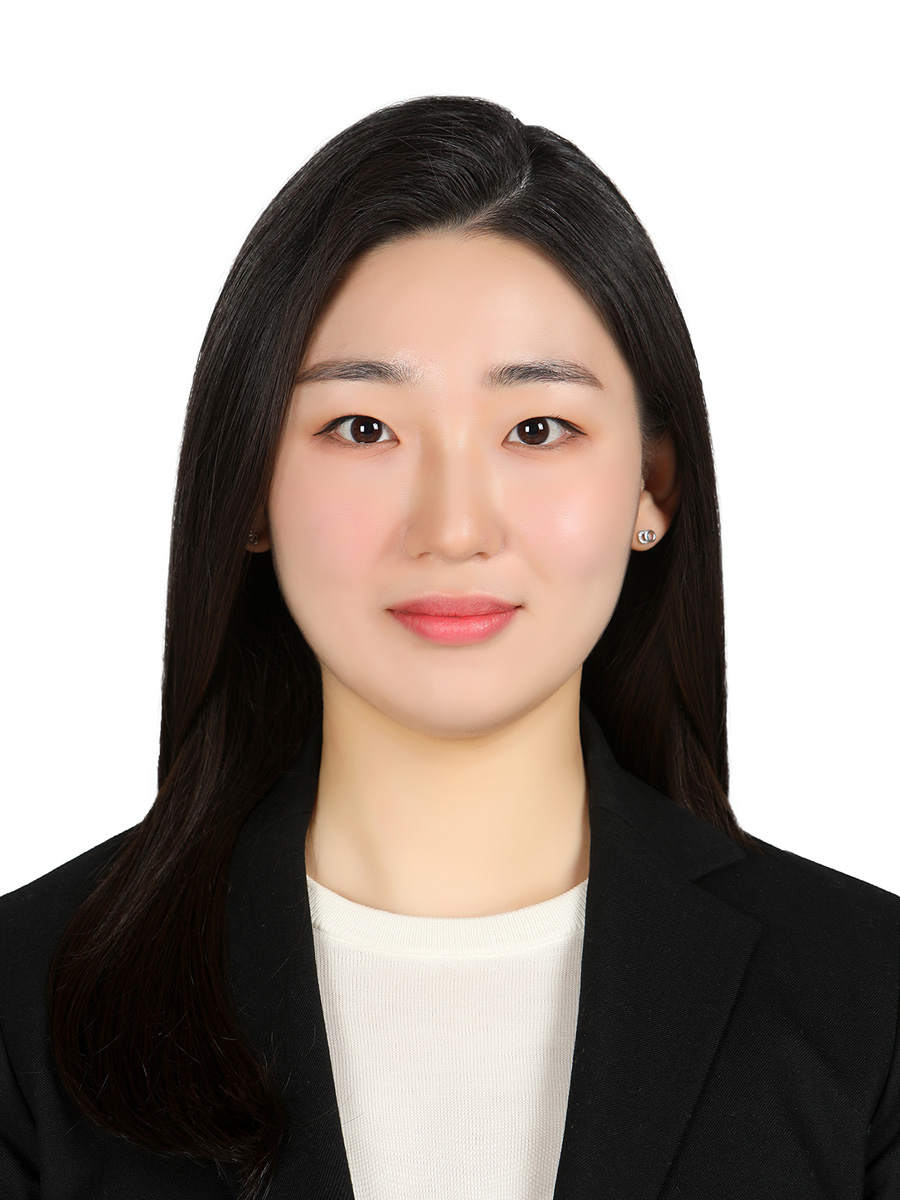
| 08:10 - 08:40 | Keynote Talk 1: Samuel Yen-Chi Chen, Wells Fargo |
| 08:40 - 08:45 | Break |
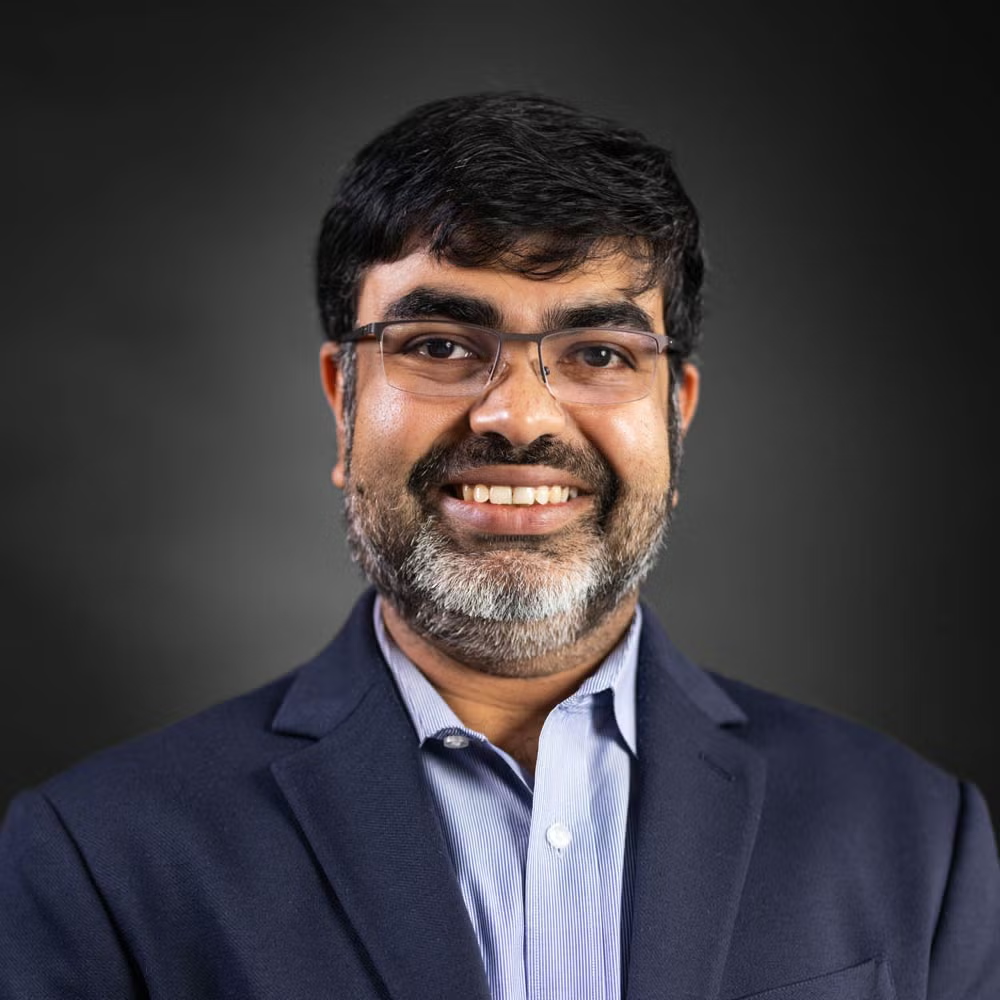
| 08:45 - 09:15 | Keynote Talk 2: Muhammad Usman, Monash University, Australia |
| 09:15 - 09:20 | Break |
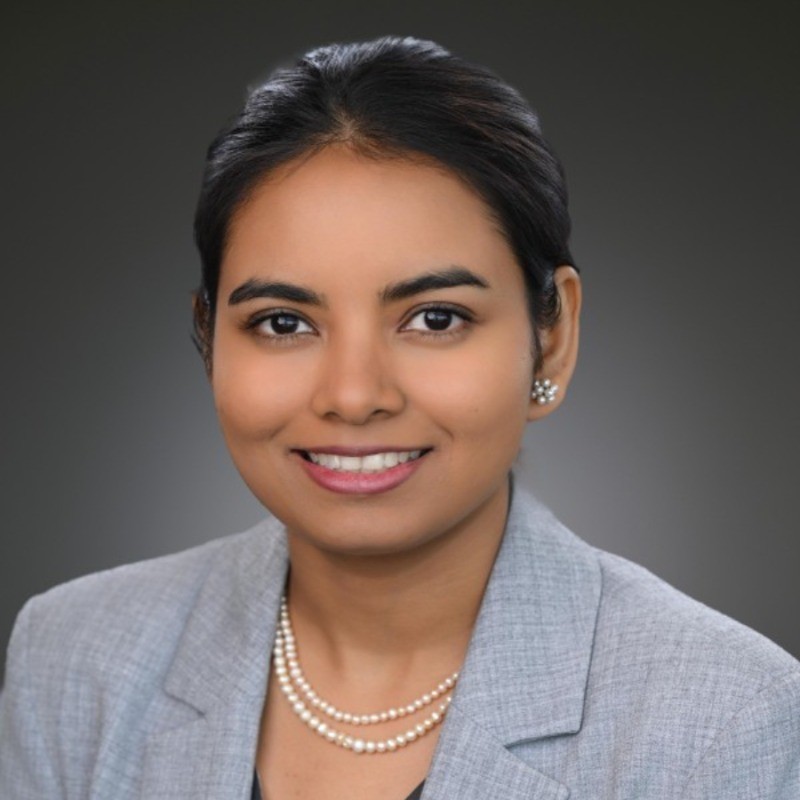
| 09:20 - 09:50 | Keynote Talk 3: Swaroop Ghosh, Pennsylvania State University |
| 09:50 - 10:05 | Break |
| 10:05 - 10:15 |
What does it cost to trust a quantum model? Shot-priced certification
for hybrid
QML
Pavel Sulimov (Zurich University of Applied Sciences), Claude Lehmann (Zurich University of Applied Sciences; University of Zurich) |
| 10:15 - 10:25 |
QCBA: Quantum Coalescence Backdoor Attack against Quantum Convolutional
Neural
Networks
Junrui Zhang (Old Dominion University), Zemin Chen (Old Dominion University), Yao Wang (Old Dominion University), Jiang Li (Old Dominion University), Chunsheng Xin (Iowa State University), Hongyi Wu (The University of Arizona), Rui Ning (Old Dominion University) |
| 10:25 - 10:35 |
Responsible Quantum Adoption in Distributed Human-AI Systems: A
Role-Separated
Benchmark
Luyao Zhang (Duke Kunshan University) |
| 10:35 - 10:40 |
QAELL: Toward Quantum-Assisted Energy-Landscape Learning for Anomaly
Detection
Jingjing Wang (Beijing QBoson Quantum Technology Co., Ltd.), Chang Wu (Beijing QBoson Quantum Technology Co., Ltd.; Beijing Normal University), Chao Ju (Beijing QBoson Quantum Technology Co., Ltd.), Qi Gao (Beijing QBoson Quantum Technology Co., Ltd.), Yin Ma (Beijing QBoson Quantum Technology Co., Ltd.), Hai Wei (Beijing QBoson Quantum Technology Co., Ltd.), Kai Wen (Beijing QBoson Quantum Technology Co., Ltd.) |
| 10:40 - 10:45 |
What It Costs to Copy a Hybrid Quantum Head
Samanyu Goyal (California High School) |
| 10:45 - 10:50 |
Error mitigation and fidelity certification share a fixed point
Aarush Pandey (Indian Institute of Technology Delhi), Inderpreet Kaur (Indian Institute of Technology Delhi), Monika Aggarwal (Indian Institute of Technology Delhi) |
| 10:50 - 10:55 |
Trustworthy Machine Learning in the Real-Time Decoding Loop
Krishna Harish (Houston Community College), Ishant Ghimiray (Columbus State University) |
| 10:55 - 11:00 |
CryptHarness: A Harness for Agent-Assisted Cryptanalytic Research
Nico Pelleriti (Technical University Berlin; Zuse Institute Berlin), Nicolai Kraus (Ruhr University Bochum), Alexander May (Ruhr University Bochum), Sebastian Pokutta (Technical University Berlin; Zuse Institute Berlin) |
| 11:00 - 12:00 | Panel Discussion: Secure and Trustworthy QML |
| 12:00 - 14:00 |
Lunch and Poster Session All accepted papers will be presented as posters for extended discussion and Q&A. View poster papers |
Afternoon Session
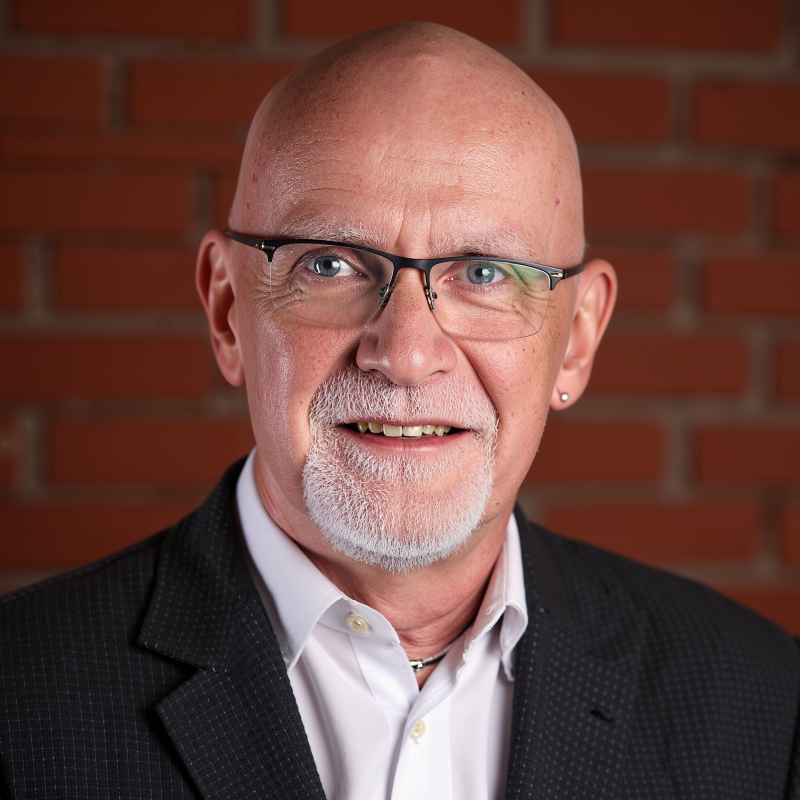
| 14:00 - 14:30 | Keynote Talk 4: Juan Cruz-Benito, IBM Quantum and IBM Research |
| 14:30 - 14:35 | Break |
| 14:35 - 15:05 | Keynote Talk 5: Soohyun Park, Sookmyung Women's University |
| 15:05 - 15:10 | Break |
| 15:10 - 15:20 |
When Normalization Selects the Sign: Auditing Robustness Ablations in
Quantum
Attention
Owen Friedewald (University of Missouri), Srikar Alla (University of Missouri), Ali Shiri Sichani (University of Missouri), Chi-Ren Shyu (University of Missouri) |
| 15:20 - 15:30 |
CRAE-GUARD: Clean-Referenced Absolute Evidence for Sampling-Robust
Quantum
Backdoor Detection
Zemin Chen (Old Dominion University), Yao Wang (Old Dominion University), Junrui Zhang (Old Dominion University), Lusi Li (Old Dominion University), Daniel Takabi (Old Dominion University), Rui Ning (Old Dominion University) |
| 15:30 - 15:40 |
Shots Are Not Enough: Mask Coverage and Shot Precision in Adversarial
Evaluation
of Stochastic Quantum Neural Networks
Pablo Rivas (Marist University) |
| 15:40 - 15:50 |
Where Quantum Fourier Sampling Stops Short: A Three-Gate Audit Protocol
for
Delay-PUF Security Models
Owen Friedewald (University of Missouri), Ali Shiri Sichani (University of Missouri), Chi-Ren Shyu (University of Missouri) |
| 15:50 - 15:55 |
Adaptive-Shot Hybrid Quantum Anomaly Detection for Tactile Internet
Security:
Reliability-Aware Measurement Allocation Under Resource Constraints
Mubassir Serneabat Sudipto (Iowa State University), Shakil Ahmed (Grand Valley State University), Ashfaq Khokhar (Kansas State University), Samir M. Iqbal (Grand Valley State University) |
| 15:55 - 16:00 |
Linter-Guided Repair of Quantum Code Smells
Greta Dolcetti (Ca' Foscari University of Venice), Giulio Zizzo (IBM Research), Liubov Nedoshivina (IBM Research), Juan Cruz-Benito (IBM Research), Nicolas Dupuis (IBM Research) |
| 16:00 - 16:05 |
Four Forks: Evaluation Choices Decide the Conclusion in Meta-Learned
Initialization for Variational Quantum Algorithms
Junyong Lee (Yonsei University), Seokhyeon Son (Yonsei University), Jeihee Cho (Yonsei University), Euimin Lee (Yonsei University), Hyeonseong Jung (Yonsei University), Daniel Justice (Carnegie Mellon University), Shiho Kim (Yonsei University) |
| 16:05 - 16:10 |
Trustworthy Evaluation of Quantum Message Passing: Isolating Circuit
Contributions in Traffic Forecasting
Firas Elhag (University of Tennessee at Chattanooga), Tam Bang (University of Tennessee at Chattanooga), Mina Sartipi (University of Tennessee at Chattanooga), Hoang H. Nguyen (University of Tennessee at Chattanooga) |
| 16:10 - 16:15 |
When Error Mitigation Makes Things Worse: Budget-Aware Evaluation,
Extrapolation
Failure, and the Calibration Trust Boundary
Guilin Zhang (Workday AI Research), Kai Zhao (Workday AI Research), Xiquan Cui (Workday AI Research), Henry Heng (Workday AI Research), Xu Chu (Workday AI Research), Aletta Johanna Blanken (Workday AI Research) |
| 16:15 - 16:30 | Awards and Closing Remarks |
Poster Papers
All accepted papers will participate in the poster session to facilitate extended discussion and Q&A. The papers listed below are poster-only presentations.
Luyao Zhang (Duke Kunshan University)
Chevin Jeon (Georgia Institute of Technology)
Seok Bin Son (Korea University), Samuel Yen-Chi Chen (Wells Fargo), Soohyun Park (Sookmyung Women's University), Joongheon Kim (Korea University)
Jioh Lee (Korea University), Sung Whan Yoon (UNIST), Joongheon Kim (Korea University)
Saisubramaniam Gopalakrishnan (Phi Labs, Quantiphi), Supreeth B S (Phi Labs, Quantiphi), Pranav Sarda (Phi Labs, Quantiphi), Ashesh Xalxo (Phi Labs, Quantiphi), Dagnachew Birru (Phi Labs, Quantiphi)
Santanu Ganguly (OnQAI Ltd.; Quantum AI Research Group, Kingston University London)
Mateo Petel (Stanford University)
Sahar Daraeizadeh (QAILinks Technologies, Corp.)
Guilin Zhang (Workday AI Research), Kai Zhao (Workday AI Research), Xiquan Cui (Workday AI Research), Henry Heng (Workday AI Research), Xu Chu (Workday AI Research), Aletta Johanna Blanken (Workday AI Research)
Daeyeun Kim (Korea University), Seungcheol Oh (Korea University), Joongheon Kim (Korea University)
Shakil Ahmed (Grand Valley State University), Ashfaq Khokhar (Kansas State University)
Jae Sung Kim (Independent Researcher), La Alsulaim (University of Pittsburgh), Daniel Justice (Carnegie Mellon University / SEI)
Sanskriti Shindadkar (University of California, Berkeley), Clyde Villacrusis (UCLA Samueli School of Engineering), Manvi Agrawal (UCLA College of Letters and Science), Karen Mosayan (UCLA Samueli School of Engineering), Hayk Gargaloyan (UCLA College of Letters and Science), Nachiket Joshi (UCLA Samueli School of Engineering)
Chandra Sekhar Dronavajjala (University of Connecticut)
Krishna Bhatia (QuantumAI Lab, Fractal Analytics), Smriti Bajaj (Dell Technologies)
Asif Akhtab Ronggon (Louisiana State University), Tasnuva Farheen (Louisiana State University)
Pascal Debus (Fraunhofer AISEC), Maximilian Wendlinger (Fraunhofer AISEC), Kilian Tscharke (Fraunhofer AISEC)
Victoria Zhang (University of Illinois Urbana-Champaign; National Center for Supercomputing Applications), R. Srikant (University of Illinois Urbana-Champaign; National Center for Supercomputing Applications), Phuong Cao (University of Illinois Urbana-Champaign; National Center for Supercomputing Applications)
Saeefa Rubaiyet Nowmi (Old Dominion University), Md Mahmuduzzaman Kamol (Old Dominion University), Mohammad Saidur Rahman (University of Texas at El Paso)
Aditi Maheshwari (University of Toronto), Ahmad Mohammad Saber (University of Toronto), Deepa Kundur (University of Toronto)
Yujia Cai (Rochester Institute of Technology), Zhe Li (Rochester Institute of Technology), Chaowen Guan (University of Cincinnati), Haibo Yang (Rochester Institute of Technology)
Romit Ghosh (Rutgers University-New Brunswick), Sharmin Afrose (Oak Ridge National Laboratory), Nicholas Stapleton (University of Tennessee, Knoxville), Ethan Seefried (Oak Ridge National Laboratory), Nirajan Banjade (Texas State University), Sangram Deshpande (North Carolina State University), Vicente Leyton Ortega (Oak Ridge National Laboratory), Travis S. Humble (Oak Ridge National Laboratory), Tirthankar Ghosal (Oak Ridge National Laboratory)